

Faux Suede vs Lambskin Leather: What Actually Makes Them Different?
One is a synthetic textile with a matte napped surface. The other is a genuine animal hide with a smooth, supple grain. Both are used for jackets in the same silhouettes, sold at overlapping price points, and frequently compared by buyers. Here is how they actually differ.
The comparison between faux suede and lambskin leather comes up more often than you might expect, partly because both appear in similar jacket styles (Biker, Cafe Racer, Harrington, Bomber) and partly because quality faux suede and entry-level lambskin often land at similar prices. But the materials are structurally different, perform differently in real use, and age in completely different ways. Understanding those differences helps you choose the right one for how you actually intend to wear it.
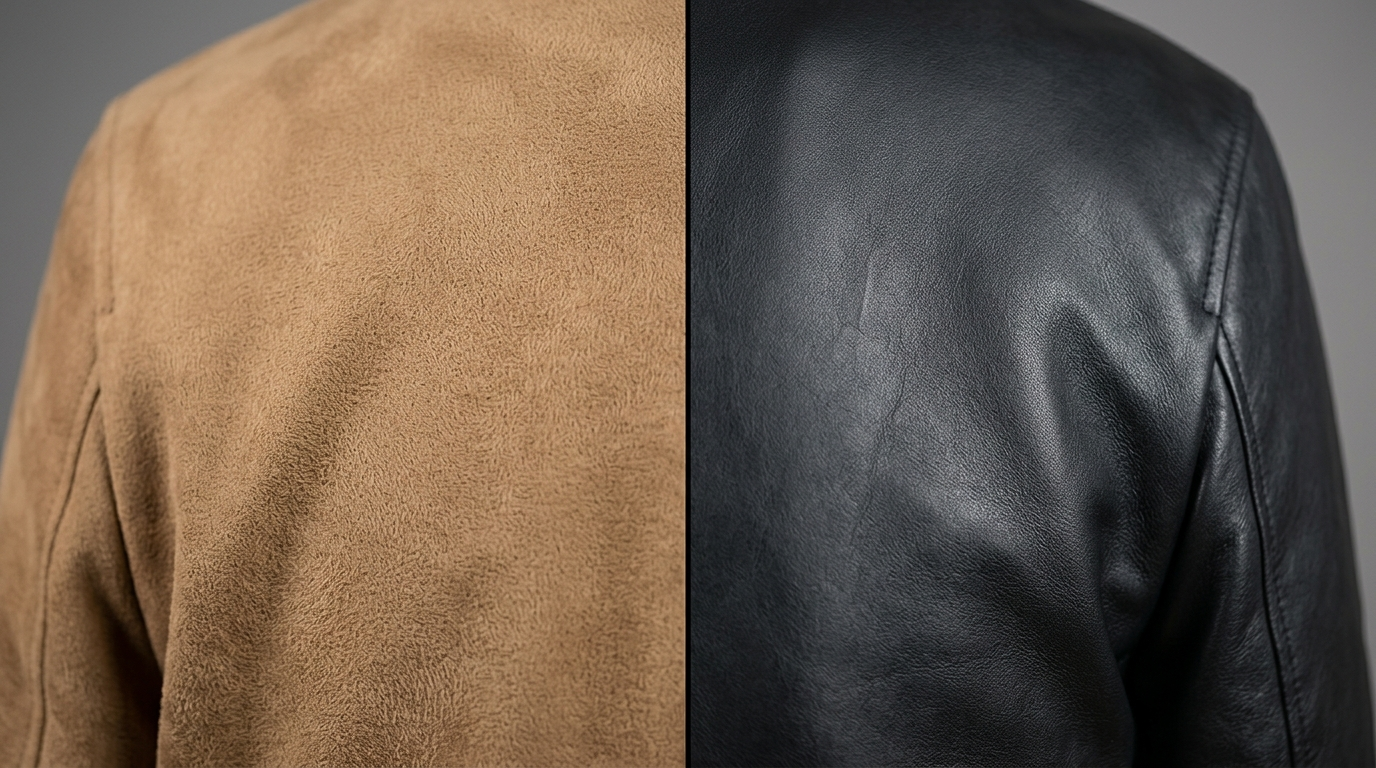
What Each Material Is
Faux Suede
Faux suede is a synthetic textile made from microfibre, typically polyester or polyamide. The fabric is woven from extremely fine fibers and surface-finished to raise a short nap that mimics the texture of genuine suede. The result is a soft, matte surface with directional color shift when touched. No animal hide is involved.
Lambskin Leather
Lambskin leather is made from the outer grain layer of lambskin hide, the same material used across the Decrum leather jacket range. Lambskin is the softest and most supple of the major leathers, typically 0.5 to 0.8 mm thickness, making it lightweight and easy to wear despite being a genuine leather product. The grain surface is smooth, and with regular wear it develops a patina that deepens and improves the jacket's appearance over time. Read more about why lambskin is used in our jackets at lambskin vs cowhide vs goatskin leather.
| Property | Faux Suede | Lambskin Leather |
|---|---|---|
| Material origin | Synthetic polyester microfibre | Genuine lambskin animal hide |
| Surface texture | Matte, soft, napped | Smooth, supple grain |
| Weight and drape | Light, soft drape | Light, supple drape |
| Weather resistance | Light moisture only; avoid heavy rain | Handles light-moderate rain; dries without marking |
| Wind resistance | Moderate (napped surface is porous) | High (dense grain blocks wind effectively) |
| Patina development | None; synthetic fibers do not develop patina | Yes; ages and improves with wear over years |
| Lifespan | 3 to 8 years with regular wear | 15 to 25 years with proper care |
| Care frequency | Brush as needed; spot clean | Condition every 3 to 6 months |
| Seasons | Dry spring and autumn primarily | All seasons with layering |
| Versatility | Casual to smart casual contexts | Casual to smart casual to formal-adjacent contexts |
How Each Ages
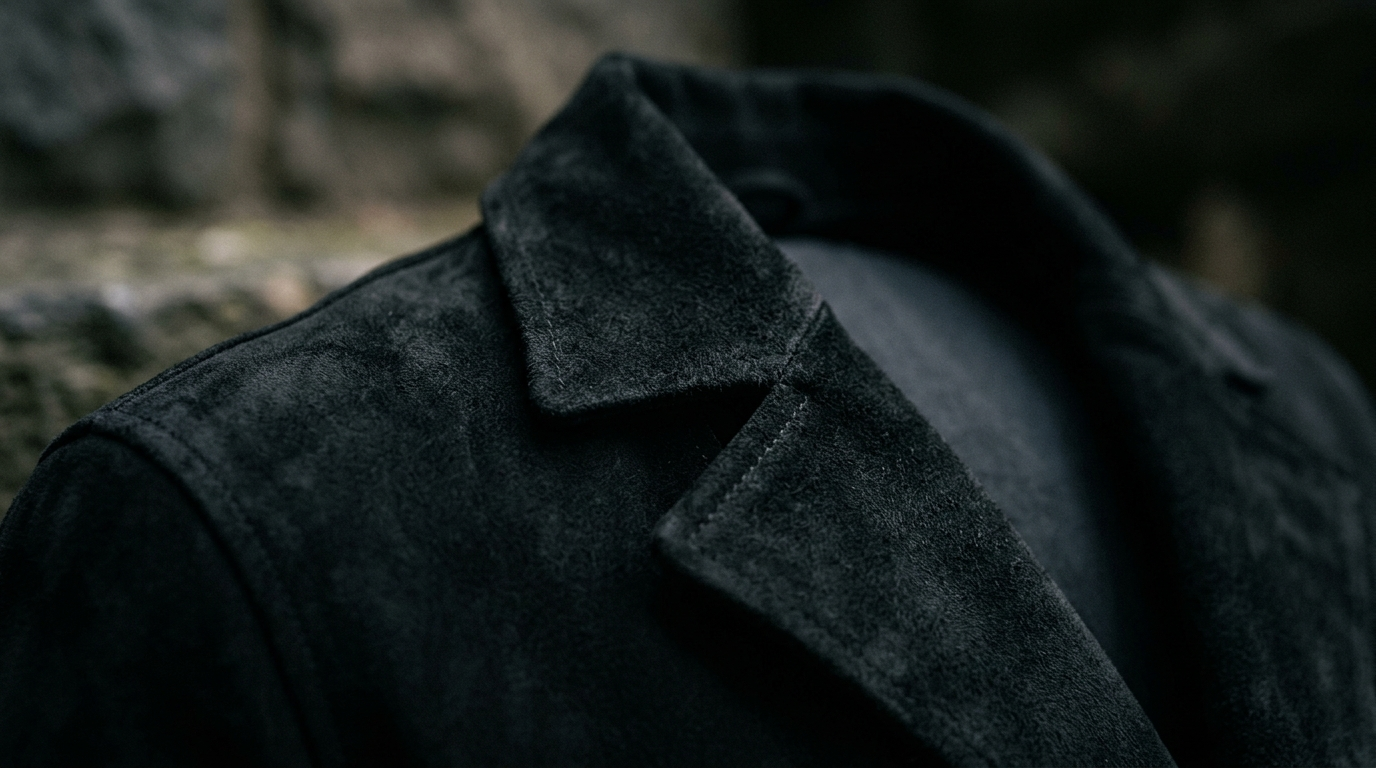
This is the sharpest functional difference between the two materials. Lambskin leather ages well. The grain surface develops a patina from regular wear, the oils in your skin gradually condition the leather, and contact points at the collar and cuffs develop a characteristic darker tone that is a sign of use rather than damage. A lambskin jacket purchased today can be a better-looking jacket in ten years than it was when new.
Faux suede does not develop patina. The synthetic fibers do not absorb or react to skin oils the way animal hide does. Over time, faux suede shows wear at contact points as compression and flattening of the nap, not as aging or character development. This is not a defect; it is simply how the material behaves. Faux suede looks its best when new and gradually loses surface texture over years of use rather than gaining something from it.
Weather and Seasonality
Lambskin leather handles a wider range of conditions than faux suede. Its dense grain surface repels light rain and does not absorb moisture quickly, so an unexpected shower is rarely a problem. Faux suede's napped surface is more porous and absorbs moisture faster. In wet conditions, real suede and faux suede both require more care than smooth leather. See suede vs leather for weather performance detail across both suede types.
For seasonal range, lambskin leather works across all four seasons with layering adjustments. Faux suede works best in dry spring and autumn conditions where its surface will not be tested by rain or cold wind. It is a lighter-use jacket compared to a leather piece you can wear year-round.
Which Should You Buy?
Choose faux suede if you want a soft, earthy, casual jacket for mild-weather use, you prefer the matte texture and warm brown tones that suede provides, and you want a lower entry price without long-term care commitment. Faux suede delivers the suede aesthetic well and is the right choice for occasional and seasonal wear.
Choose lambskin leather if you want a jacket that works year-round, handles varying weather conditions, develops character with age, and provides the best long-term value per wear. Lambskin is the better daily wear, long-term investment choice. For the full lambskin leather range, see men's leather jackets and women's leather jackets.
Shop the Comparison

Men's Black Faux Suede Biker Style Jacket
Black faux suede. Matte surface, soft nap, casual daily wear.
Shop Now
Reeves Men's Black Lambskin Jacket
Reeves black lambskin. Smooth grain. Built to last for years.
Shop Now
Women's Black Faux Suede Hooded Bomber
Women's faux suede hooded bomber. Soft, matte, dry-weather casual.
Shop Now
Women's Black Harrington Lambskin Jacket
Women's black lambskin Harrington. Four seasons, real leather.
Shop NowFrequently Asked Questions


